

the art of presenting
Presenting well is an art that is characterised by preparation, and lots of it. Here's what can happen if you scrimp on that preparation.
memes beat genes, any generation
Presenting well is an art that is characterised by preparation, and lots of it. Here's what can happen if you scrimp on that preparation.
my favourite carol

Be as objective as you can when making decisions, but recognise that there is an elephant in the room. Unfortunately, that elephant is you.

This article looks at the how of solving a problem. It leads into why having several plans to resolve the problem is a good thing.

In this article I want to examine problems and solutions, and I want to discuss solving problems for the right outcome.

Predictably, the debate is turning vitriolic. The issue seems less important than the opportunity to vilify adherents of one side or the other.

People often justify procrastination as “waiting for something better to turn up”. When viewed through the lens of statistics and probability, this is a fraught strategy. A higher price may not be the best outcome, as we will see in this article.

Evaluating opportunities generally means determining if you should take an opportunity, or leave things as they are. Although there are really three categories of decision approaches, two are similar and straightforward, and one is really difficult.

"It was a date" is an eight-minute high-speed drive through Paris in the early hours of an August Sunday morning in 1976.

In this post, I want to exercise the idea of decision timeliness. The question is whether it is better to wait to make the right decision, or to give an adequate decision now, and refine it later.
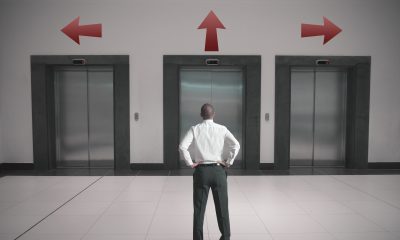
I believe we are faced with two very different types of decisions. We need to recognise the type of decision required so we can apply the right thinking and analysis to the matter.

Right now I’m having amnesia and déjà vu at the same time. I think I’ve forgotten this before. Steven Wright